What Is a Backorder? Complete Business Guide for Beginners
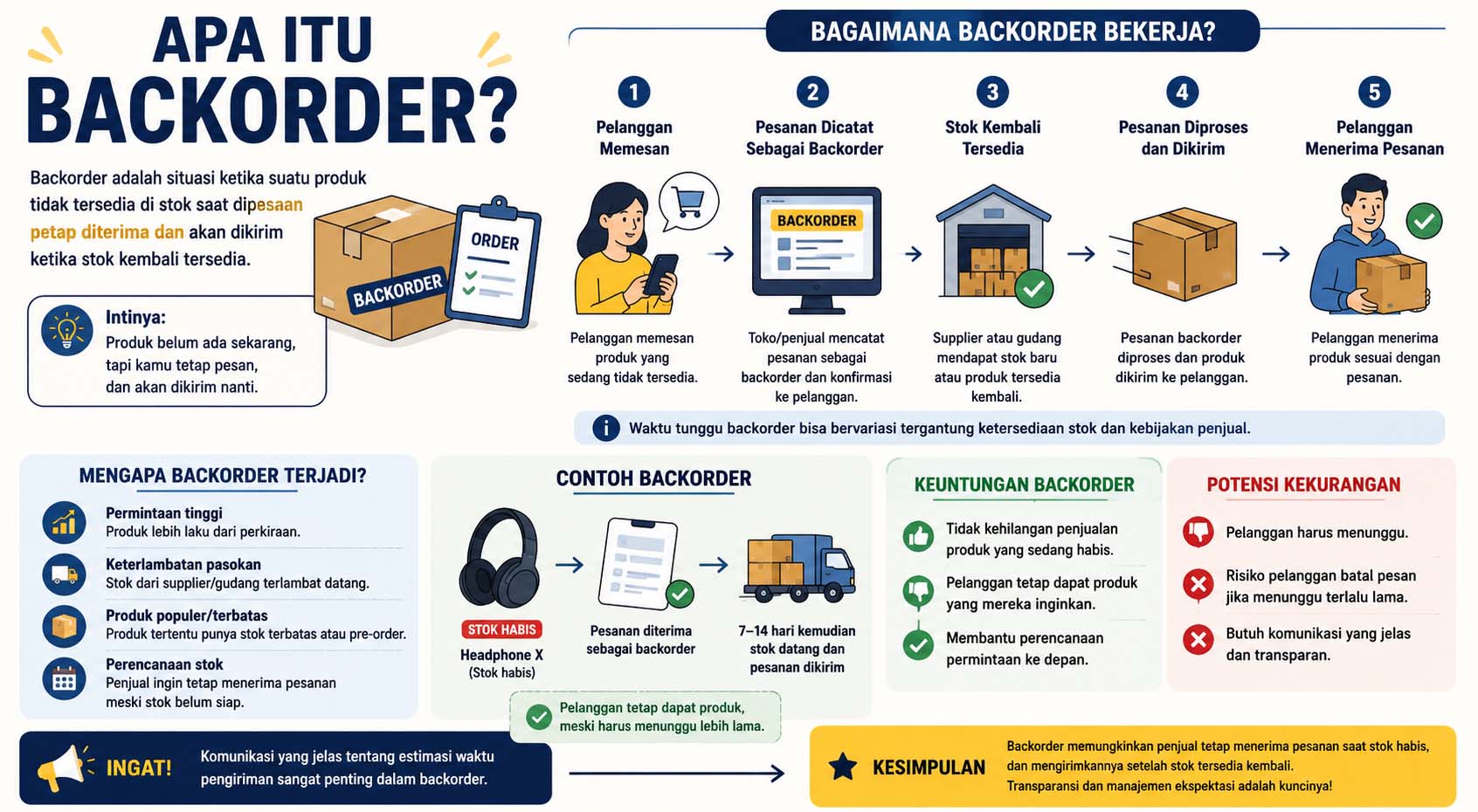
Many business owners and online shoppers ask, “what is a backorder?” when they see products marked as temporarily unavailable. A backorder happens when a product is out of stock but customers are still allowed to place orders because new inventory is expected soon.
Backorders are common in retail, eCommerce, manufacturing, healthcare, and technology industries. Instead of completely stopping sales, businesses continue accepting customer orders while waiting for new inventory to arrive.
Backorders can create both opportunities and challenges for businesses. They may increase sales and customer interest, but poor backorder management can also lead to delays and customer frustration.
This guide explains how backorders work, why they happen, and how businesses can manage them successfully.
What Is a Backorder Item?
The phrase “what is a backorder item” refers to a product that customers can still purchase even though it is temporarily unavailable in inventory.
For example, imagine an online electronics store selling a popular smartphone. The company sells all current stock faster than expected, but additional shipments are arriving next week. Instead of removing the product page, the company allows customers to place backorders.
This strategy helps businesses avoid losing sales while keeping customers interested in high-demand products.
Backorder items are especially common during holiday shopping seasons, product launches, and viral online trends.
Customers usually see messages such as:
- “Temporarily out of stock”
- “Available on backorder”
- “Ships in 7–14 days”
- “Pre-order now”
How Does a Backorder Work?
Understanding “what is a backorder” becomes easier by looking at the process step by step.
Step 1: Product Sells Out
Demand exceeds the available inventory, causing the item to become temporarily unavailable.
Step 2: Business Accepts Additional Orders
Instead of closing sales completely, the company allows customers to continue purchasing the product.
Step 3: Supplier Restocks Inventory
The manufacturer or supplier sends additional inventory to the business.
Step 4: Orders Are Fulfilled
The company ships products to customers who placed backorders earlier.
This process allows businesses to maintain revenue while minimizing missed opportunities.
Why Do Backorders Happen?
Backorders can occur for many different reasons in modern business operations.
High Customer Demand
Popular products sometimes sell faster than businesses expected. Viral marketing campaigns, influencer promotions, or seasonal demand spikes can quickly empty inventory.
Supply Chain Delays
Manufacturing delays, shipping problems, or raw material shortages can slow inventory replenishment.
Inventory Forecasting Errors
Businesses sometimes underestimate customer demand and fail to stock enough products.
Global Events
Economic disruptions, weather conditions, and transportation problems can also create backorders.
In recent years, global supply chain challenges increased the number of backordered products across many industries.
Real-World Example of a Backorder
A common real-world example involves gaming consoles during major product launches. When a new console releases, retailers often receive fewer units than customer demand requires.
Thousands of customers place orders immediately, causing inventory to sell out within minutes. Retailers then open backorders for future shipments.
Customers understand they may wait several weeks, but many still place orders to secure their purchase before inventory becomes available again.
This strategy helps companies maintain sales momentum while managing limited inventory supplies.
Business Advantages of Backorders
Although backorders sometimes frustrate customers, they can also provide important business benefits.
Prevents Lost Sales
Allowing backorders helps companies continue generating revenue even during stock shortages.
Measures Product Demand
Strong backorder numbers help businesses identify highly popular products and future inventory needs.
Builds Product Hype
Some products become even more desirable when customers see limited availability.
Improves Cash Flow
Businesses may collect payments before receiving replacement inventory.
When managed correctly, backorders can support long-term business growth.
Business Risks of Backorders
Despite their advantages, backorders also create several operational risks.
Customer Frustration
Long delays may cause customers to cancel orders or leave negative reviews.
Shipping Delays
Unexpected supplier problems can extend waiting times beyond original estimates.
Inventory Management Challenges
Poor tracking systems may create confusion between available stock and backordered items.
Brand Reputation Damage
If communication is unclear, customers may lose trust in the business.
Successful companies focus heavily on transparency and accurate order updates.
Business Strategy for Managing Backorders
Effective backorder management requires strong planning and communication.
Improve Inventory Forecasting
Using sales analytics helps businesses predict future demand more accurately.
Work with Reliable Suppliers
Strong supplier relationships reduce restocking delays.
Use Inventory Management Software
Modern inventory systems automatically track stock levels and alert businesses before shortages occur.
Communicate Clearly with Customers
Providing realistic delivery estimates helps reduce customer frustration.
Offer Alternatives
Businesses sometimes recommend similar products while customers wait for backordered items.
Good management strategies help businesses maintain customer satisfaction even during inventory shortages.
What Does It Mean When a Drug Is on Backorder?
The question “what does it mean when a drug is on backorder” is especially important in healthcare and pharmacy industries.
When medications are on backorder, pharmacies temporarily cannot receive enough supply from manufacturers. This shortage may happen because of manufacturing problems, increased demand, ingredient shortages, or shipping disruptions.
Drug backorders can affect hospitals, clinics, and patients waiting for important medications.
Healthcare providers often search for substitute medications or alternative suppliers until inventory returns to normal.
Because medical products directly affect public health, drug backorders are taken very seriously by healthcare organizations and government agencies.
What Is a Domain Backorder?
Another popular search term is “what is a domain backorder.” In the digital business world, a domain backorder is a service that helps users attempt to purchase internet domain names when they become available.
Sometimes domain names expire because current owners fail to renew them. Businesses or investors may place a backorder request with a domain registrar.
If the domain becomes available, the registrar automatically tries to secure it for the customer.
Domain backorders are popular among:
- Entrepreneurs
- Digital marketers
- Website investors
- SEO professionals
- Brand creators
Premium domains with strong keywords can become valuable business assets.
Backorder vs Out of Stock
Many people confuse backorders with products marked completely out of stock.
| Feature | Backorder | Out of Stock |
|---|---|---|
| Orders Allowed | Yes | Usually No |
| Future Inventory Expected | Yes | Uncertain |
| Delivery Delay | Temporary | Unknown |
| Customer Purchase Option | Available | Often Disabled |
A backordered product will return soon, while out-of-stock items may not have confirmed restocking dates.
How Customers Should Handle Backorders
Customers can take several steps when purchasing backordered products.
First, check estimated delivery times carefully. Second, review the company’s cancellation and refund policy. Third, compare prices and availability from alternative sellers.
If the product is highly important or time-sensitive, customers may prefer buying an alternative item instead of waiting.
Patience is often necessary during high-demand periods.
FAQ About Backorders
What is a backorder?
A backorder happens when a product is temporarily out of stock but customers can still place orders for future delivery.
What is a backorder item?
A backorder item is a product currently unavailable in inventory but expected to return soon.
Are backorders bad for businesses?
Not always. Backorders can increase sales and demand visibility, but poor management may frustrate customers.
What does it mean when a drug is on backorder?
It means pharmacies or healthcare providers temporarily cannot receive enough supply from manufacturers.
What is a domain backorder?
A domain backorder is a service that attempts to secure an internet domain name once it becomes available.
Conclusion
Understanding “what is a backorder” is important for both businesses and customers in today’s fast-moving marketplace. Backorders happen when products temporarily sell out but businesses continue accepting orders while waiting for new inventory.
Although backorders can create delivery delays, they also help companies avoid lost sales and maintain customer demand. Proper inventory planning, supplier management, and clear communication are essential for successful backorder management.