
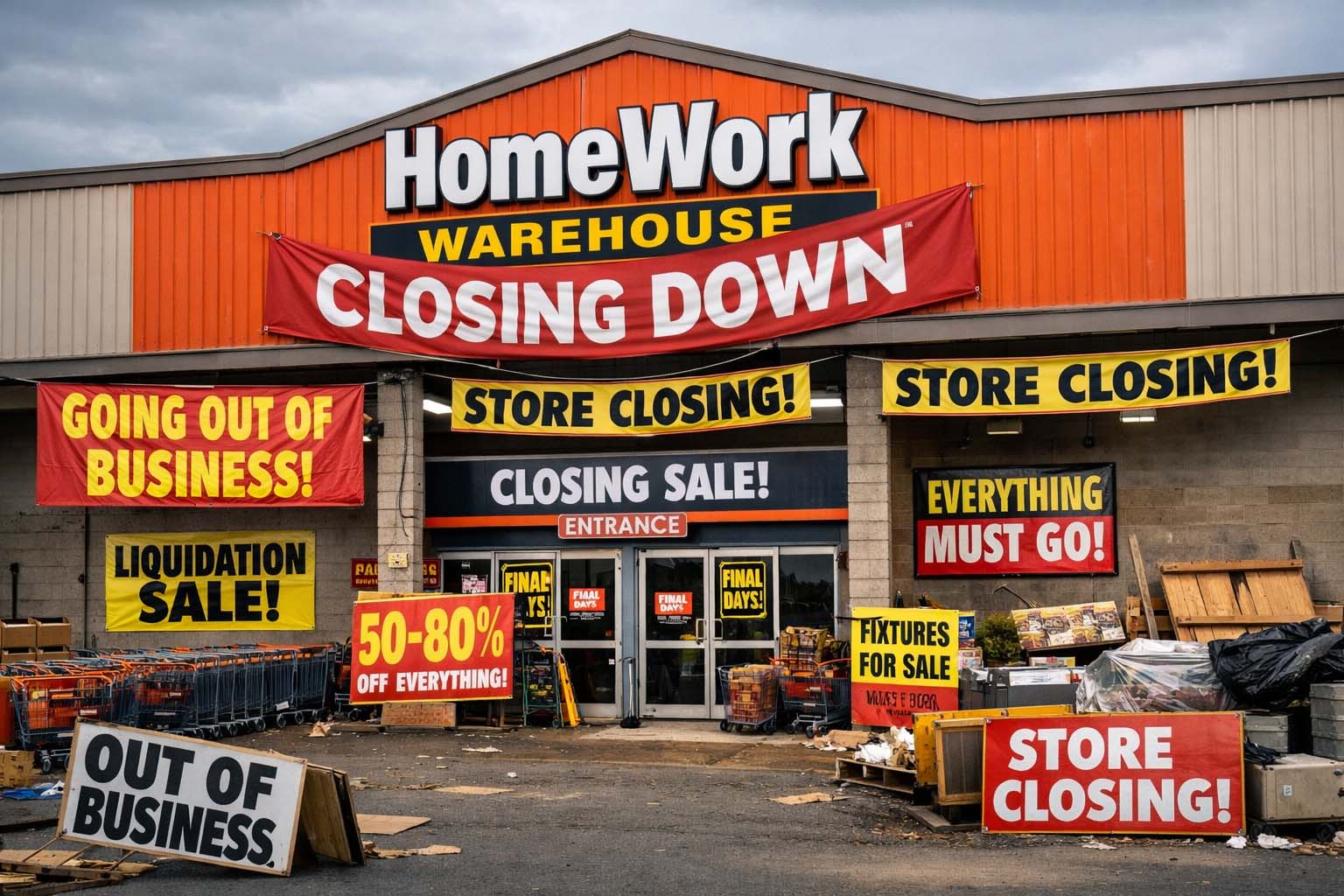
Home Depot Rival Closing: Why Competitors Are Shutting Stores and What Comes Next
The topic Home Depot Rival Closing has gained attention as major home improvement retailers face changing consumer habits, economic pressure, and increased online competition. When a competitor of Home Depot announces store closures, shoppers, investors, and industry experts immediately want to know what happened and what it means for the future of the retail market.
The home improvement sector has experienced rapid changes over the past few years. Demand surged during periods of home renovation booms, but inflation, higher borrowing costs, and shifting spending priorities have impacted traffic at many physical stores. As a result, some retailers are reducing locations, restructuring operations, or focusing more on e-commerce.
In this article, we’ll explore why a Home Depot rival closing stores has become a major topic, which brands are affected, how closures impact customers, and what trends may shape the future of improvement retail.
Why the Home Improvement Market Is Changing
Retail competition in the home improvement industry has always been strong. Leading chains compete on price, inventory, customer service, and contractor relationships. However, modern challenges have changed the landscape. Understanding What Is Retail can also provide useful context about how stores connect products with consumers.
Several factors include:
- Rising inflation affecting consumer budgets
- Higher mortgage rates slowing housing activity
- More shoppers buying online
- Supply chain costs
- Labor shortages in retail stores
Because of these pressures, some companies have chosen to close underperforming locations and streamline expenses.
Who Is Home Depot’s Biggest Rival?
When people search what Home Depot rival is closing, they are often referring to major competitors such as Lowe’s or regional chains in the home improvement and hardware space.
The Home Depot and Lowe’s dominate much of the U.S. market, but there are also other competitors including local hardware stores, specialty building suppliers, and regional chains.
Because Home Depot and Lowe’s are so closely matched, any news involving closures often triggers strong public interest.
Why People Search for Lowe’s Closure News
The phrase Lowe’s frequently trends when consumers hear rumors or announcements about store reductions. In many cases, closures are not a sign of total failure, but part of a strategic business decision.
Retailers may close stores because:
- Certain locations are unprofitable
- Nearby stores overlap markets
- Leasing costs are too high
- Customer traffic has moved online
- Company leadership wants efficiency improvements
This means closures can happen even when a company remains financially strong.
Home Depot Rival Closing Stores: What Usually Happens
When headlines mention Home Depot rival closing stores, it often means selective closures rather than a nationwide shutdown.
Typical closure strategies include:
- Underperforming LocationsStores with low sales may be shut down.
- Market ConsolidationCompanies may combine nearby locations.
- Shift to Online SalesRetailers may invest more in delivery and pickup services instead of physical expansion.
- Remodeling Existing StoresSome chains close outdated stores while reinvesting elsewhere.
This is common across many retail sectors, not just home improvement. A Business Level Strategy can help retailers decide how to compete while restructuring locations and services.
How Store Closures Affect Customers
When a home improvement competitor closes stores, customers may experience several changes.
- Fewer Local Shopping OptionsConsumers may need to travel farther for supplies.
- Reduced CompetitionLess competition can impact pricing and promotions.
- Better Online ServicesMany companies replace physical closures with stronger digital ordering.
- Clearance SalesClosing locations sometimes offer deep discounts on tools, appliances, and seasonal items.
For bargain hunters, these events can create shopping opportunities.
How Home Depot Benefits From Rival Closures
When a Home Depot rival closing locations, Home Depot may gain advantages such as:
- Increased foot traffic
- More contractor accounts
- Stronger market share
- Greater brand visibility
The Home Depot has historically benefited from scale, supply chain strength, and contractor-focused services. Understanding What Is a Vendor can also help explain how supplier relationships support product availability and retail operations.
However, closures by rivals can also signal broader industry softness, which affects all players.
What Home Depot Rival Is Closing? Common Names Mentioned
If people ask what Home Depot rival is closing, these names are often discussed:
- Lowe’s (periodic selective closures or restructuring rumors)
- Menards (regional speculation depending on market)
- Regional hardware chains
- Independent building supply stores
It is important to distinguish between rumors and official announcements. Many viral claims exaggerate isolated store closures.
The Rise of Online Home Improvement Shopping
Digital shopping has changed how consumers buy renovation products.
Popular online purchases include:
- Power tools
- Lighting fixtures
- Paint accessories
- Garden supplies
- Storage products
Retailers now compete through:
- Same-day pickup
- Delivery speed
- Installation booking
- Online inventory tracking
This trend explains why some chains close physical stores while expanding digital operations.
Economic Pressures Behind Retail Closures
Store closures are often tied to wider economic conditions.
Inflation
Consumers delay remodeling projects when costs rise.
Interest Rates
Higher borrowing costs slow home purchases and renovations.
Housing Market Slowdown
Fewer moves often mean fewer renovation purchases. Consumers and retailers following property trends may also ask Is the Housing Market Going to Crash when planning future spending and inventory.
Labor Costs
Running large retail stores is expensive.
These factors can pressure all home improvement chains.
What Shoppers Should Do During Closures
If a local rival store is closing:
- Watch for Clearance DealsDiscounts on appliances, tools, and décor may appear.
- Check Warranty PoliciesKnow where support transfers after closure.
- Compare CompetitorsNearby stores may price-match or run promotions.
- Use Online OrderingMany brands continue serving customers digitally.
Will More Home Improvement Stores Close?
Future closures depend on:
- Consumer spending trends
- Housing market activity
- Company earnings
- Online growth success
- Regional demand
Some companies may close a few stores while opening others in better locations. Retail strategy is increasingly flexible. A Market Development Strategy can help retailers evaluate new customer groups and geographic markets before choosing future locations.
Why Headlines About Closures Go Viral
News about store closures spreads quickly because it affects:
- Jobs
- Local economies
- Shopping convenience
- Brand reputation
- Investor confidence
That’s why phrases like often trend online.
SEO Perspective: Home Depot Rival Closing Searches
Searches related to closures spike because users want real-time answers. Popular terms include:
- Home Depot rival closing
- Lowe’s Home Depot rival closing
- Home Depot rival closing stores
- What Home Depot rival is closing
These searches combine brand recognition with urgency.
Conclusion
The phrase Home Depot Rival Closing reflects major changes in the retail home improvement industry. Store closures are often caused by shifting consumer habits, rising costs, and strategic restructuring—not necessarily business collapse.
Whether the topic involves Lowe’s, regional competitors, or independent chains, shoppers should look beyond headlines and focus on official announcements.
For consumers, closures may mean fewer local choices but also more online convenience and occasional clearance opportunities. For the industry, they signal an ongoing transformation where efficiency, e-commerce, and customer experience matter more than ever.