
Gross pay vs net pay comparison showing payroll calculations, employee earnings, deductions, and take-home pay. Business 

Gross Pay vs Net Pay: Key Differences, Calculations, and Examples

When reviewing a paycheck or preparing a business payroll budget, understanding gross pay vs net pay is essential. Gross pay is the total amount an employee earns before deductions, while net pay is the amount remaining after applicable taxes and other payroll deductions. For example, an employee earning $4,000 per month might receive only $3,200 in their bank account. The difference comes from deductions such as income tax withholding, Social Security, Medicare, and employee benefit contributions. Although these two figures appear on the same paycheck, they serve different purposes. Employers…

Read More


how to process payroll Business 

How to Process Payroll: A Step-by-Step Guide for Businesses

Payday may look simple from an employee’s perspective, but several calculations and checks happen behind the scenes. Learning how to process payroll means understanding how to collect employee information, confirm hours worked, calculate gross pay, apply deductions, determine net pay, issue payments, and maintain accurate records. A reliable process helps employees receive the correct amount on time while helping a business meet its payroll responsibilities. The exact process varies by location, business structure, workforce, pay schedule, benefits, and applicable tax rules. However, the basic workflow remains similar for many businesses.…

Read More
what is a pto Business 

What Is a PTO? Meaning, Uses, and How Power Take-Off Systems Work

If you work around tractors, commercial trucks, farming equipment, or industrial machinery, you may eventually ask, what is a PTO? In this context, stands for power take-off, a system that transfers power from an engine or transmission to another piece of equipment. Instead of giving every attachment its own engine, a lets the main vehicle or machine supply the power needed to operate it. PTO systems are common in agriculture, transportation, construction, landscaping, and other industries that depend on powered equipment. For example, a tractor can use its to operate…

Read More
advantages of partnership Business 

Advantages of Partnership: Benefits, Drawbacks, and How It Works

Starting a business alone gives you complete control, but it also means carrying every responsibility yourself. One of the main advantages of partnership is that two or more people can combine their money, experience, skills, contacts, and time to build a business together. As a result, a partnership can make it easier to launch and operate a company when the partners work well together. However, sharing a business also means sharing decisions, profits, responsibilities, and sometimes liabilities. Therefore, anyone considering this structure should understand both its strengths and its potential…

Read More
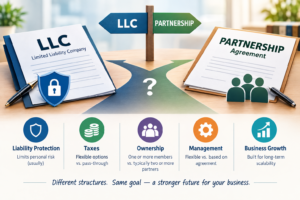
llc vs partnership Business 

LLC vs Partnership: Key Differences, Costs, Taxes, and How to Choose

Choosing a business structure can shape how owners share profits, pay taxes, manage the company, and handle financial risk. For many entrepreneurs, the choice comes down to llc vs partnership. Both structures can work well for a small business, but they create different legal, tax, and management responsibilities. A partnership can offer a straightforward way for two or more people to run a business together. An LLC, or limited liability company, can provide liability protection while still allowing flexible management and tax treatment. The right choice depends on the owners,…

Read More
what is a registered agent for llc Business 

What Is a Registered Agent for LLC? Duties, Requirements, and Costs

If you are forming a limited liability company, you may wonder what is a registered agent for LLC and why your state asks you to name one. A registered agent is generally a person or business designated to receive official legal and government documents on behalf of an LLC. In most states, an LLC must maintain a registered agent or equivalent registered-office arrangement so the state and other parties have a reliable way to deliver important notices. The concept is fairly simple, yet choosing the wrong agent can create problems.…

Read More
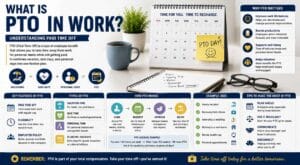
what is pto in work Business 

What Is PTO in Work? Meaning, How It Works, and Examples

If your employer says you have 15 days of PTO, you may wonder exactly what those days can be used for. So, what is PTO in work? PTO usually means paid time off, which is employer-provided time away from work during which an employee continues to receive eligible pay. Depending on the company’s policy, employees may use PTO for vacations, personal days, illness, appointments, family needs, or other approved absences. However, PTO policies can differ widely between employers. One company may combine several types of leave into one PTO balance,…

Read More
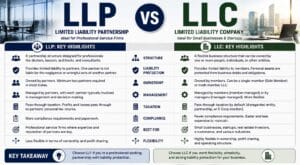
llp vs llc Business 

LLP vs LLC: Key Differences and How to Choose

Choosing a legal structure is one of the first major decisions business owners make, and the LLP vs LLC comparison often comes up when two or more people plan to operate a business together. Both structures can offer liability protection and flexible management, yet they work differently. An LLC is widely available to many kinds of businesses, while LLP availability and rules depend heavily on the state and, in some places, the profession involved. So, which structure makes more sense? The answer depends on who owns the business, what kind…

Read More
how to start a nonprofit in florida Business 

How to Start a Nonprofit in Florida: Step-by-Step Guide

If you want to support a cause, serve a community, or create a charitable organization, understanding how to start a nonprofit in Florida is the first step. The process usually involves defining your mission, choosing a name, forming a Florida nonprofit corporation, appointing directors, obtaining an EIN, applying for federal tax-exempt status when appropriate, and handling Florida fundraising and ongoing compliance requirements. While the paperwork is manageable, setting up the organization correctly from the beginning can prevent expensive changes later. What Does It Mean to Start a Nonprofit? A nonprofit…

Read More
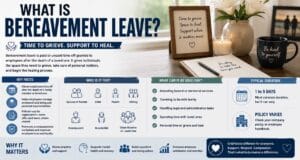
what is bereavement leave Business 

What Is Bereavement Leave? Meaning, Eligibility, and How It Works

When an employee loses someone close to them, going to work may be the last thing they are ready to handle. So, what is bereavement leave, and how does it help? Bereavement leave is time away from work that an employee may take following the death of a family member or another qualifying person. Depending on the employer and applicable law, the leave may be paid or unpaid and may cover several days or a longer period. For employees, this time can provide space to grieve, attend a funeral or…

Read More