what does pto stand for Business 

What Does PTO Stand For? Meaning in the Workplace, School, and More

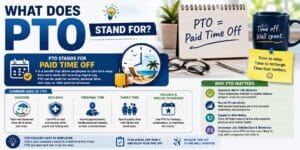
You see “PTO” in a job offer, employee handbook, or benefits portal—but what does PTO stand for? In most workplace situations, PTO means paid time off. It refers to time employees can take away from work while continuing to receive their regular pay. Depending on the employer, PTO may cover vacations, personal days, illness, appointments, or other approved absences. However, PTO has several other meanings outside the workplace, including Parent Teacher Organization in schools and power take-off on tractors and other machinery. For employees, understanding PTO makes it easier to…

Read More

benefits of coworking spaces Business 

Benefits of Coworking Spaces: Why Flexible Offices Work for Modern Businesses

For many businesses, signing a long commercial lease no longer feels like the only sensible way to get office space. The benefits of coworking spaces include flexible terms, shared amenities, lower setup costs, professional meeting areas, and easier access to a business community. As a result, coworking can appeal to freelancers, startups, remote teams, consultants, and even larger companies testing new markets. A coworking space is more than a desk in a shared room. Depending on the provider, it may include private offices, meeting rooms, phone booths, reception services, mail…

Read More
benefits of managed it services Business 

Benefits of Managed IT Services: A Complete Guide for Modern Businesses

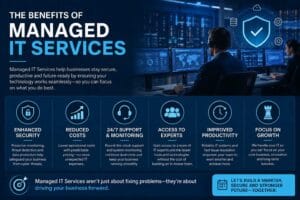
Technology keeps businesses running, but managing IT systems can quickly become overwhelming. Whether you’re a startup, a growing company, or an established organization, understanding the benefits of managed IT services can help you reduce costs, improve security, and keep your operations running smoothly. Instead of building a large in-house IT department, many businesses partner with managed service providers to monitor systems, resolve technical issues, and maintain critical infrastructure around the clock.This approach allows business owners to focus on growth while experienced professionals handle the technology behind the scenes. In this…

Read More
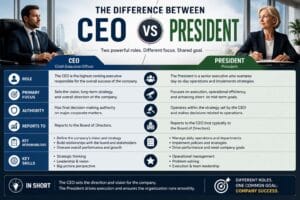
difference between ceo and president Business 

Difference Between CEO and President: Roles, Responsibilities, and Key Differences Explained

Have you ever looked at a company’s leadership team and wondered about the difference between CEO and president? Many organizations use both titles, while others have only one. In startups and small businesses, the same person may even hold both positions. Because every company is structured differently, it’s easy to see why these executive roles are often confused. The short answer is that the CEO usually focuses on the company’s long-term vision, growth, and overall strategy, while the president is responsible for leading day-to-day operations and making sure business plans…

Read More
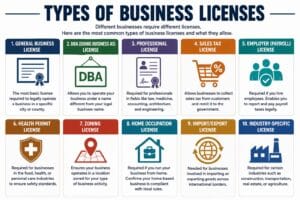
types of business licenses Business 

Types of Business Licenses: A Complete Guide for Entrepreneurs

Starting a business requires more than a great idea and a solid plan. You also need to understand the legal requirements that apply to your company. The types of business licenses you need depend on your location, industry, business activities, and the products or services you offer. Therefore, choosing the correct licenses and permits can help you avoid penalties and operate with confidence. Whether you plan to open a restaurant, launch an online store, start a trucking company, or run a home-based business, understanding licensing requirements is an important first…

Read More
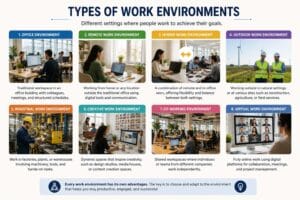
types of work environments Business 

Types of Work Environments: A Complete Guide for Employees and Employers

Have you ever accepted a job only to discover that the workplace wasn’t right for you? Understanding the different types of work environments can help you make better career decisions. Your workplace influences productivity, communication, job satisfaction, and opportunities for professional growth. For example, some employees enjoy busy offices where they can collaborate with coworkers. Others prefer quiet spaces, independent tasks, or flexible schedules. Therefore, finding the right workplace involves understanding your responsibilities and preferred working style. Today, businesses offer more workplace options than ever before. Traditional offices remain common,…

Read More
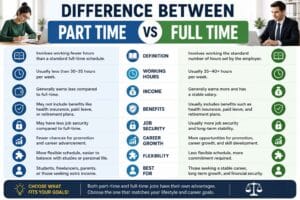
difference between part time and full time Business 

Difference Between Part Time and Full Time

Understanding the difference between part time and full time employment is essential when choosing a job or planning your workforce. Although working hours are the most obvious distinction, employment status can also affect income, benefits, scheduling flexibility, and career opportunities. For employees, the right arrangement depends on financial needs, personal responsibilities, and professional goals. Meanwhile, employers must consider staffing costs, customer demand, and operational requirements. For example, a college student may prefer flexible part-time shifts, while an experienced professional might prioritize the predictable income of a full-time position. However, neither…

Read More
difference between furlough and layoff Business 

Difference Between Furlough and Layoff: A Simple Guide for Employees and Employers

If you’ve seen headlines about companies reducing staff, you’ve probably come across the words furlough and layoff. Understanding the difference between furlough and layoff is important because, while people sometimes use these terms interchangeably, they have different meanings. Understanding these two terms can help employees know what to expect and assist business owners in making informed workforce decisions during difficult periods. This guide explains both terms in plain English, highlights their key differences, and provides practical examples for employees, managers, and employers. What Is a Furlough? Meaning and Employment Status…

Read More
business strategy consultant Business 

Business Strategy Consultant: Roles, Benefits, and How They Help Companies Grow

In today’s competitive marketplace, companies face constant challenges ranging from changing customer expectations to evolving technology and increasing competition. To navigate these challenges effectively, many organizations turn to a business strategy consultant for expert guidance. A helps organizations identify opportunities, solve complex problems, improve performance, and develop plans for sustainable growth. Whether working with startups, small businesses, or large corporations, these professionals provide valuable insights that support better decision-making. What Is a Business Strategy Consultant? A is a professional who analyzes a company’s operations, goals, market position, and challenges to…

Read More
business level strategy Business 

Business Level Strategy: Definition, Types, Examples, and How to Build One

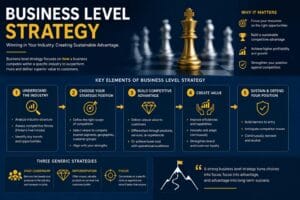
Every successful company needs a clear plan to compete in its market. While corporate focuses on the overall direction of an organization, a business level strategy focuses on how a specific unit creates value and gains a competitive advantage. Whether you’re a business owner, entrepreneur, manager, or student, understanding -level strategy can help you make better decisions and improve long-term performance. What Is a Business Level Strategy? A business level strategy is a plan that explains how a company will compete successfully within a particular market or industry. “How will…

Read More