What Is FIFO? A Complete Business Guide for Beginners
Understanding inventory management and workforce models is essential for modern businesses. One term that often appears in accounting, logistics, and employment discussions is FIFO. If you have ever wondered what is FIFO, this guide explains the concept in simple terms while exploring its business applications and workforce-related meanings.
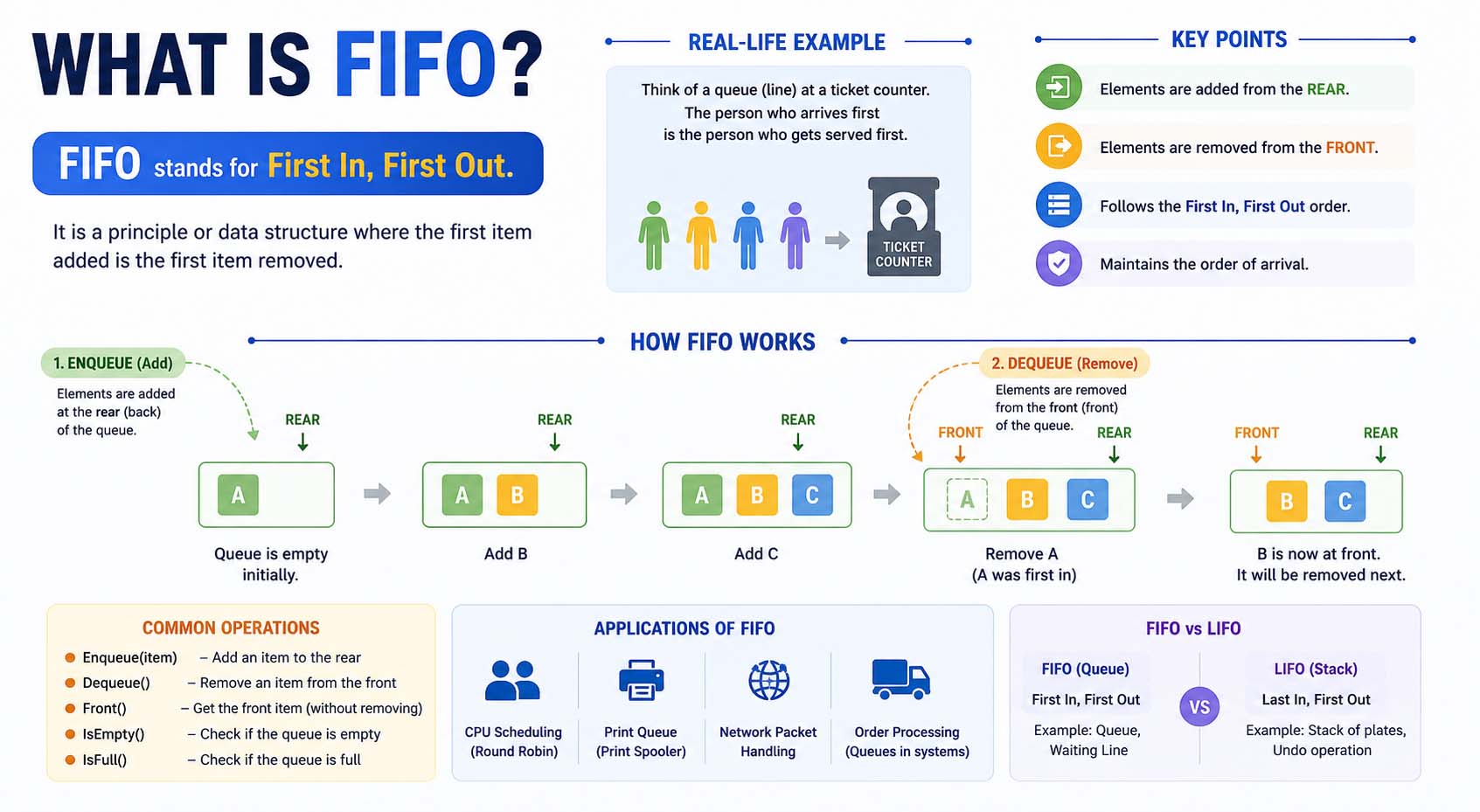
stands for First In, First Out, a method used to manage inventory and accounting records. However, in employment sectors such as mining and energy, can also refer to a work arrangement where employees are flown to a remote location and then flown home after completing their roster.
What Is FIFO?
stands for First In, First Out, meaning the oldest inventory items are sold, used, or processed before newer inventory.
Businesses use to maintain accurate stock rotation and reduce waste, especially when dealing with products that have expiration dates or changing market values.
Under the method:
- The first items purchased are the first items sold.
- Older inventory leaves storage before newer stock.
- Inventory records better reflect actual product flow.
Overall, is one of the most widely used inventory valuation methods worldwide because it is simple, practical, and aligns with how many businesses naturally operate.
How Does FIFO Work?
The method follows a straightforward process.
Imagine a retailer purchases:
- 100 units at $10 each
- 100 units at $12 each
If the company sells 150 units, assumes the first 100 units sold come from the older $10 inventory and the remaining 50 units come from the newer $12 inventory.
This approach affects:
- Cost of goods sold (COGS)
- Profit calculations
- Tax reporting
- Inventory valuation
Ultimately, many accounting systems automatically calculate values to simplify business operations.
Why Businesses Use FIFO
offers several advantages for companies of all sizes.
Accurate Inventory Rotation
Older products leave storage first, thereby reducing the risk of spoilage or obsolescence.
Simple Accounting
FIFO is easy to understand and implement.
Better Inventory Valuation
During periods of rising prices, often results in inventory values that are closer to current market costs.
Compliance and Reporting
Many accounting standards permit, making it a popular choice for financial reporting.
As a result, businesses in retail, manufacturing, food distribution, and e-commerce commonly use systems.
FIFO in Inventory Management
Inventory management is where is most commonly applied.
Products entering a warehouse first are positioned to leave first. This system helps prevent old inventory from sitting unused. Additionally, understanding the benefits of inventory visibility can help companies see how real-time stock tracking supports better decisions.
For example, businesses using this approach include:
- Grocery stores
- Pharmaceutical companies
- Electronics retailers
- Manufacturing facilities
In particular, What Is Retail provides broader context for businesses that sell products directly to consumers.
Without proper practices, businesses may face losses from expired, outdated, or damaged stock.
Step-by-Step FIFO Inventory Process
- Receive new inventory.
- Label and organize products by arrival date.
- Store older inventory at the front.
- Sell or use older inventory first.
- Move newer inventory forward as stock decreases.
Ultimately, this process improves operational efficiency and inventory accuracy.
Real-World Example of FIFO
Consider a bakery purchasing flour every month.
January Purchase:
100 bags at $20
February Purchase:
100 bags at $25
If 120 bags are used during March:
- The first 100 bags come from January inventory.
- The remaining 20 bags come from February inventory.
As a result, this reflects actual stock usage and produces more realistic accounting records.
Many businesses prefer because it mirrors how products are physically consumed.
What Is FIFO Work?
A different meaning of FIFO appears in workforce management.
Many people ask what is FIFO work because the term is common in mining, oil and gas, and construction industries.
work stands for Fly-In Fly-Out employment.
Under this arrangement:
- Workers are transported to remote job sites.
- They remain on-site for a scheduled period.
- They return home after completing their roster.
Therefore, this model allows companies to operate in remote locations without requiring workers to relocate permanently.
work has become an important employment strategy for large industrial projects.
What Is a FIFO Worker?
Another common question is what is a FIFO worker.
A FIFO worker is an employee who travels to a remote worksite and stays there during scheduled shifts before returning home.
workers often work in:
- Mining
- Oil and gas
- Renewable energy projects
- Infrastructure construction
- Resource extraction industries
For example, typical schedules include:
- Two weeks on, one week off
- Three weeks on, one week off
- Four weeks on, two weeks off
However, the exact roster depends on the employer and industry requirements.
What Is FIFO Offshore?
Many professionals also ask what is FIFO offshore.
offshore refers to workers transported to offshore facilities such as:
- Oil rigs
- Gas platforms
- Marine energy projects
- Offshore construction sites
Generally, employees are flown or transported by helicopter to offshore locations where they remain for extended work rotations.
Benefits of FIFO Offshore Work
- Higher earning potential
- Structured work schedules
- Extended leave periods
- Career growth opportunities
However, offshore work may also involve challenging conditions and long periods away from family.
What Is FIFO Australia?
One of the most searched workforce-related questions is what is FIFO Australia.
Australia is one of the world’s largest users of employment models due to its vast mining and resource sectors.
For example, major operations exist in regions such as:
- Western Australia
- Queensland
- Northern Territory
Mining companies use arrangements because many resource projects are located far from major cities.
Therefore, workers typically fly from urban centers to remote mines and return home after completing their roster.
Australia has become a major contributor to the country’s mining and energy industries.
FIFO vs. Other Inventory Methods
Businesses often compare with alternative accounting methods.
| Method | Inventory Used First | Complexity | Common Usage |
|---|---|---|---|
| FIFO | Oldest inventory | Low | Retail, manufacturing |
| LIFO | Newest inventory | Medium | Limited use in some regions |
| Weighted Average | Average cost | Medium | Large inventories |
Overall, remains one of the most popular approaches because it closely matches actual inventory movement.
Business Strategy Benefits of FIFO
is more than an accounting method. In fact, it can support broader business objectives.
Improved Cash Flow Visibility
Businesses gain a clearer understanding of inventory value and profitability.
Reduced Waste
Using older inventory first minimizes losses.
Better Customer Satisfaction
Customers receive fresher products and more consistent quality.
Stronger Operational Efficiency
systems streamline inventory management and warehouse organization.
In addition, What Is Productivity Software explains how digital applications can help companies organize tasks and improve efficiency.
Ultimately, companies that implement FIFO effectively often improve both financial performance and customer experience.
Common FIFO Challenges
Although is highly effective, businesses can encounter challenges.
Poor Inventory Tracking
Inaccurate records may disrupt processes.
Warehouse Organization Issues
Improper storage can cause newer inventory to be used before older stock.
Technology Limitations
Outdated inventory software may make management more difficult.
Staff Training Gaps
Employees must understand proper stock rotation procedures.
Therefore, regular audits and modern inventory systems can help prevent these problems. Strong What Is Procurement practices also help maintain accurate inventory flow and supplier coordination.
Moreover, understanding What Is a Vendor can help businesses evaluate the suppliers providing inventory and related services.
Frequently Asked Questions About FIFO
What Is FIFO in Accounting?
What Is FIFO Work?
work refers to Fly-In Fly-Out employment where workers travel to remote job sites and return home after completing scheduled shifts.
What Is a FIFO Worker?
A worker is an employee who works at remote locations under a fly-in, fly-out roster system.
What Is FIFO Offshore?
offshore involves workers traveling to offshore facilities such as oil rigs and energy platforms for rotational work schedules.
What Is FIFO Australia?
Australia refers to the widespread use of fly-in, fly-out employment in Australia’s mining, construction, and resource industries.
Why Do Businesses Use FIFO?
Businesses use FIFO to improve inventory management, reduce waste, simplify accounting, and maintain accurate financial reporting.
Conclusion
Understanding what is FIFO is valuable for business owners, entrepreneurs, managers, and employees. In accounting and inventory management, stands for First In, First Out, a proven method that ensures older inventory is used or sold before newer stock. This approach supports accurate reporting, reduces waste, and improves operational efficiency.